A collision can leave behind more than a dented bumper. It can affect how your vehicle steers, brakes, tracks on Edmonton roads, and protects the people inside it. When you are searching for the best collision repair Edmonton drivers can depend on, the right choice is not simply the shop that can make damage less visible. It is the shop that can identify what happened beneath the surface and restore the vehicle properly.
That distinction matters after any impact, whether it was a low-speed parking lot scrape, a winter intersection collision, or a more serious accident. Modern vehicles are built with sensors, structural components, advanced paint systems, and safety features that need the right attention before the vehicle is ready to return to the road.
What the Best Collision Repair in Edmonton Should Address
Quality collision work starts with a complete assessment. Exterior damage is often only part of the story. A cracked bumper cover may hide damaged mounting points, a bent reinforcement bar, broken brackets, or sensor issues. A wheel that appears fine can still be out of alignment after a curb strike or side impact.
A dependable repair facility looks at the full condition of the vehicle, including body panels, frame or unibody structure, suspension, steering, wheels, tires, brakes, lighting, windshield damage, and mechanical systems affected by the collision. This approach prevents a cosmetic repair from becoming a safety or handling problem later.
The repair plan should also make sense to you. You do not need to be an automotive expert, but you deserve a clear explanation of the visible damage, likely hidden damage, repair options, parts choices, and expected next steps. Straight answers help you make decisions with less stress while your vehicle is off the road.
Structural and Frame Repair Come Before Finish Work
A vehicle can look straight while still having structural damage. If the impact shifted the frame, unibody, suspension mounting points, or wheel alignment angles, replacing a fender or repainting a panel will not solve the underlying issue.
Proper frame and structural repair uses precise measurements to determine where the vehicle has moved and what needs correction. Once the structure is restored, technicians can address alignment, suspension components, and panel fitment. This sequence protects the quality of the finished repair and helps your vehicle drive as it should.
Not every accident requires frame work. A minor bumper scuff may be limited to the cover and paint. The point is that the shop should verify rather than assume. That is especially important if the vehicle pulls to one side, the steering wheel sits off-center, tires wear unevenly, or doors and panels no longer line up correctly.
Paint Matching Is About More Than Picking a Color Code
Edmonton vehicles deal with snow, road salt, gravel, sun exposure, and changing temperatures. Over time, these conditions can change how paint looks. A quality paint repair accounts for the vehicle’s current finish, not only the factory color code.
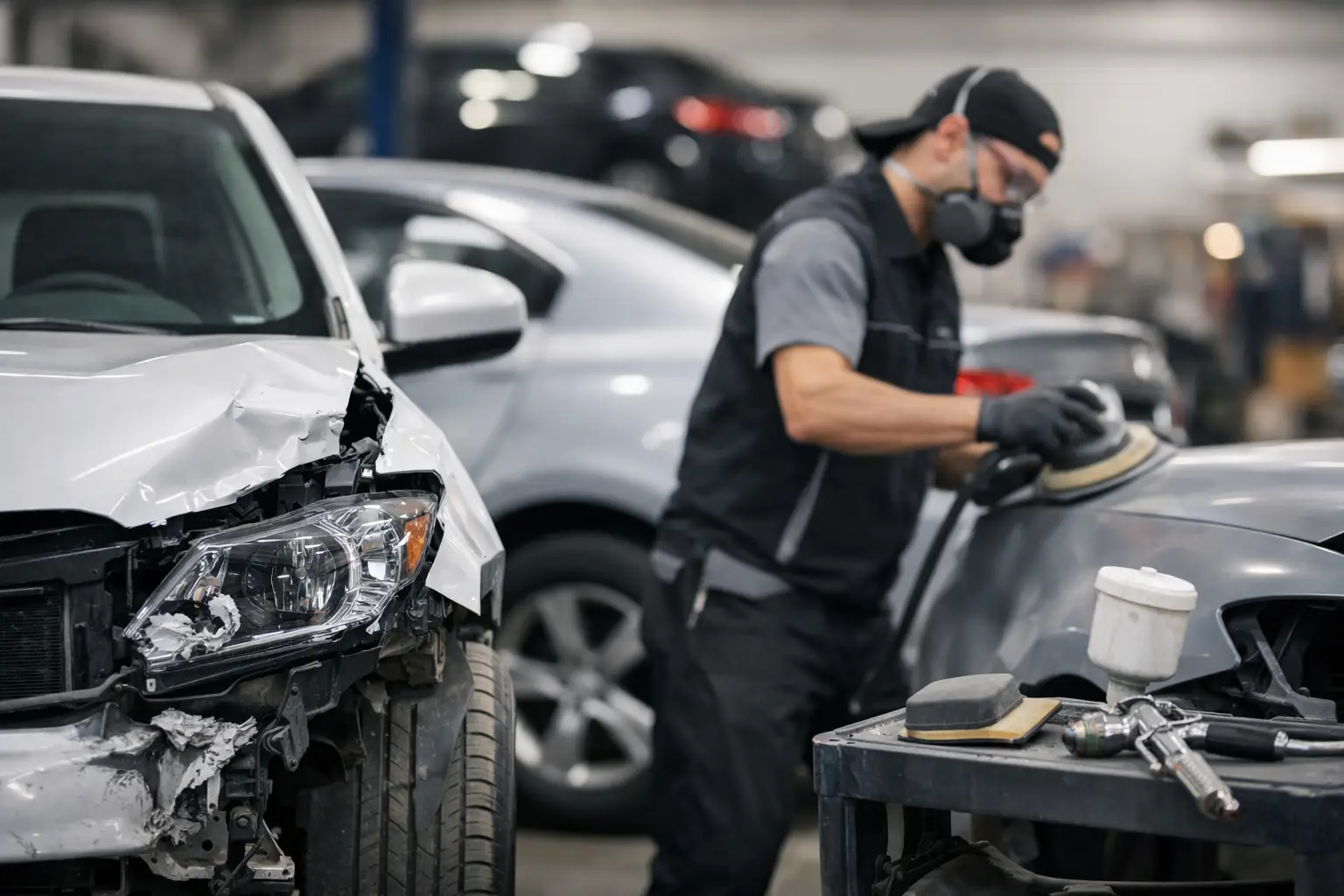
The goal is a consistent finish that blends naturally with surrounding panels. Prep work matters just as much as the spray booth. Panels must be repaired, shaped, cleaned, primed, and cured correctly so the paint has the durability and appearance your vehicle deserves.
Ask how the shop approaches paint matching and whether it will explain why adjacent panels may need blending. Blending is not automatically necessary for every repair, but it can be the right choice when it produces a more natural color transition.
Insurance Repairs Should Still Put You in Control
After an accident, insurance paperwork can feel like another problem added to an already difficult day. A collision repair shop should help make the process clearer, communicate with the insurer when needed, and document the repair work properly.
You can choose the repair facility you trust. An insurer may recommend a shop or have a preferred process, but you should not feel pressured into accepting repairs without understanding who will perform them and what the plan includes. A reputable Edmonton shop can work with all insurance companies while keeping you informed about estimates, approvals, supplements, and repair timelines.
Hidden damage can be discovered after disassembly. That does not always mean something went wrong with the original estimate. Some damage cannot be confirmed until damaged parts are removed. What matters is how the shop communicates the finding, submits the required documentation, and waits for authorization before moving forward when approval is required.
If you are paying out of pocket, ask for a practical discussion of repair priorities. In some cases, a driver may need to address safety-related mechanical or structural concerns first and plan cosmetic work separately. In other cases, completing all repairs at once is more cost-effective because the vehicle is already disassembled and prepared for refinishing. It depends on the damage, your budget, and the condition of the vehicle.
Look for One Shop That Can Handle the Whole Vehicle
Collision damage rarely stays within one service category. A front-end impact can involve a bumper, grille, headlight, radiator support, wheel alignment, suspension components, and warning lights. A rear impact can affect the trunk floor, exhaust, parking sensors, taillights, and backup camera systems.
Choosing a full-service facility can reduce delays and confusion. Instead of moving your vehicle between an auto body shop, mechanical shop, tire center, glass provider, and inspection location, you can have the connected issues evaluated in one place. That makes it easier to coordinate repairs and confirm that the vehicle is roadworthy when the work is complete.
For example, a windshield replacement may require attention to camera or sensor systems. A wheel alignment should be considered after suspension or steering repairs. If warning lights remain on after a collision, diagnostics should identify the cause rather than simply clear the code. These are details that protect vehicle performance and help avoid a second appointment for a problem connected to the first accident.
DAS Automotives provides collision restoration alongside mechanical repairs, paintwork, frame and suspension service, wheel alignments, windshield replacement, diagnostics, parts, and vehicle inspections, giving Edmonton drivers one place to manage the repair process.
Questions Worth Asking Before You Book
The best questions are specific enough to reveal how a shop works. Ask whether the estimate includes an inspection for hidden damage, how structural measurements and alignment concerns are handled, and what happens if additional damage is found during repair.
It is also reasonable to ask about replacement parts. Depending on the vehicle, repair plan, availability, insurance policy, and budget, the shop may discuss original equipment, aftermarket, recycled, or reconditioned parts. There is no one answer that fits every repair. The important part is knowing what is being installed and why it is appropriate for your vehicle.
You should also ask how the shop checks its work before release. A thorough final review can include panel fit, paint finish, lighting, warning lights, wheel alignment, steering feel, braking concerns, and verification that repaired systems are operating as expected. If an inspection is needed for a salvaged, rebuilt, or out-of-province vehicle, make sure the facility can explain the separate requirements and any repairs needed to meet them.
Finally, discuss timing honestly. Parts availability, insurance approvals, the amount of damage, paint curing, and calibration needs can all affect completion dates. A shop that promises an unrealistically fast repair may create more frustration than one that gives you a clear, realistic update schedule.
Do Not Ignore These Signs After a Collision
Some post-collision problems are easy to dismiss because the vehicle still starts and drives. Pay attention if the steering wheel is no longer centered, the vehicle pulls or vibrates, a tire loses pressure, a door takes extra force to close, lights or sensors stop working, or new dashboard warnings appear.
You should also arrange an inspection if you hear rubbing, clunking, scraping, or exhaust noise after an impact. These symptoms may point to loose panels, damaged suspension parts, alignment issues, or components that shifted during the collision. Waiting can increase tire wear, affect handling, and turn a manageable repair into a larger expense.
If repair costs are creating immediate pressure, ask whether financing is available. No-credit-check financing can give some drivers a way to address necessary work without delaying a safety-related repair. It is still wise to understand the payment terms and choose an option that fits your household budget.
Your vehicle is part of how you get to work, pick up your family, manage appointments, and handle everyday life in Edmonton. Choose a repair partner that treats the damage seriously, explains the work clearly, and helps you return to the road with confidence.