A used vehicle can look clean, drive smoothly for 10 minutes, and still carry repair issues that change the value of the deal. A pre purchase inspection Edmonton buyers arrange before signing gives you a clearer picture of what you are buying, what may need attention soon, and whether the asking price makes sense.
This is especially valuable when you are shopping private sales, buying a vehicle with limited service records, or considering a car that has been repaired after a collision. The goal is not to find a flawless used vehicle. It is to avoid expensive surprises and make your decision with the facts in front of you.
What a Pre Purchase Inspection in Edmonton Can Reveal
A proper pre-purchase inspection looks beyond a polished exterior, a recent oil change sticker, or a seller’s description. It evaluates the vehicle’s major systems and identifies visible wear, damage, leaks, warning signs, and concerns that could affect safety, reliability, or resale value.
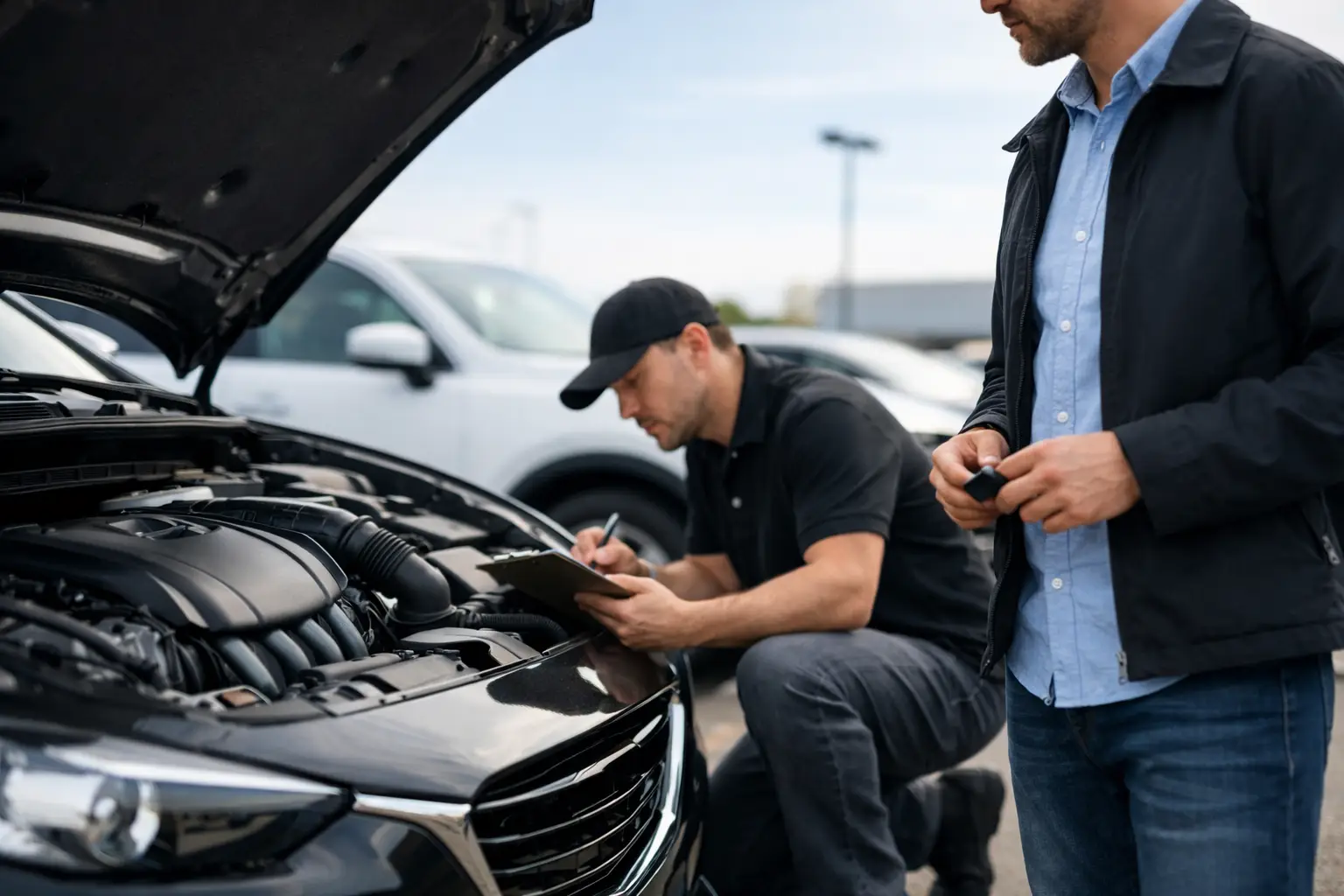
The inspection typically begins with a walk-around of the vehicle. A technician looks for paint inconsistencies, panel gaps, corrosion, body damage, tire condition, cracked glass, and signs of previous repair. Cosmetic damage is not always a reason to walk away, but it can point to a collision history or help you understand what the vehicle may need after purchase.
Under the hood, the inspection can identify fluid leaks, worn belts and hoses, battery concerns, visible engine issues, and maintenance items that may be due. The technician also checks accessible components underneath the vehicle, where rust, suspension wear, exhaust concerns, and fluid leaks are often easier to spot.
A road test matters too. Some problems only show up when the vehicle is moving, braking, turning, accelerating, or shifting. Vibrations, pulling, unusual noises, delayed shifting, weak braking, and steering concerns can all affect the cost of ownership.
Diagnostic scanning is another useful part of the process. A dashboard with no warning lights does not always mean there are no issues. A scan can identify stored or pending trouble codes that may indicate an engine, transmission, emissions, airbag, or electrical concern.
Why Edmonton Buyers Should Inspect Before They Commit
Edmonton driving conditions are demanding. Cold starts, winter roads, potholes, gravel, road salt, and long commutes can take a real toll on a vehicle. A car that has spent several Alberta winters may have rust beginning underneath, worn suspension components, tired brakes, or alignment issues that are not obvious in a driveway.
An inspection helps separate normal used-vehicle wear from repairs that deserve immediate attention. For example, a vehicle may need brake pads in the near future, which is common and manageable. But if it also has uneven tire wear, a loose suspension component, and an alignment problem, the cost and safety implications are different.
It also gives you leverage before the sale is final. When a technician documents needed repairs, you can ask the seller to adjust the price, complete specific work before transfer, or provide records that explain the issue. In some cases, the smartest outcome is simply deciding not to buy the vehicle.
The cost of an inspection is usually small compared with replacing an engine, repairing a transmission, correcting collision damage, or bringing a neglected vehicle back to safe operating condition.
What an Inspection Does Not Guarantee
A pre-purchase inspection is a professional assessment of the vehicle’s condition at the time it is checked. It cannot predict every future breakdown or uncover every issue without disassembling components. Some intermittent electrical problems, internal engine damage, and defects that occur later may not be apparent during the inspection.
That does not make the inspection less valuable. It gives you an independent, practical assessment based on what can be seen, tested, scanned, and evaluated during the appointment. Think of it as a way to reduce uncertainty, not a promise that a used vehicle will never need repairs.
The vehicle’s age, mileage, maintenance history, and price should all shape your expectations. A 10-year-old commuter with 180,000 kilometers will not be held to the same standard as a newer, low-mileage vehicle. What matters is whether its condition matches the seller’s claims and the price you are being asked to pay.
Pre-Purchase Inspection vs. an Alberta Safety Inspection
Buyers sometimes assume a safety inspection and a pre-purchase inspection are the same service. They are not always interchangeable.
An Alberta safety inspection is designed to assess whether a vehicle meets required safety standards for a specific purpose, such as registration in certain circumstances. It focuses on prescribed safety-related items and compliance requirements. A pre-purchase inspection is broader from a buyer’s perspective because it is intended to help you understand the vehicle’s overall condition and likely repair needs before you spend your money.
If you are buying an out-of-province or salvage vehicle, you may need a formal inspection for registration. If you are buying a local used vehicle, a pre-purchase inspection can still be the right first step because it helps you decide whether the vehicle is worth pursuing at all. Depending on the situation, you may need both.
How to Arrange a Pre Purchase Inspection Edmonton Sellers Will Accept
The best time to schedule an inspection is before you provide a deposit that you cannot recover or sign final purchase paperwork. Tell the seller you are serious about the vehicle and would like an independent inspection as part of your buying process. A reasonable seller who is confident in the vehicle should understand that request.
Ask whether the seller can bring the vehicle to the shop or whether you can drive it there with their permission and insurance arrangements in place. Confirm the appointment before you travel, especially if you are looking at a vehicle outside Edmonton in St. Albert, Sherwood Park, Leduc, Spruce Grove, Stony Plain, or Winterburn.
Bring any information the seller has provided, including maintenance invoices, collision repair documents, vehicle history reports, and warranty details. Service records do not replace an inspection, but they can help the technician understand what has already been repaired and what maintenance may be coming due.
If a seller refuses an independent inspection, avoids direct questions, or pressures you to pay immediately, treat that as useful information. There are legitimate reasons an inspection may be difficult to arrange, but a buyer should not be rushed into accepting unknown risk.
Questions Worth Asking After the Inspection
The inspection report is most useful when you understand which findings are urgent and which are simply normal maintenance. Ask the technician whether there are any immediate safety concerns, whether the vehicle has signs of prior collision or structural damage, and which repairs should be budgeted for in the next six to 12 months.
You should also ask whether the identified issues are consistent with the vehicle’s mileage and asking price. A few maintenance items may be acceptable if the price reflects them. A long list of repairs is different when the seller is asking top market value.
For vehicles with tire wear, suspension concerns, or steering issues, ask whether a wheel alignment is likely needed and whether there is an underlying component causing the problem. For warning lights or diagnostic codes, ask whether the code points to a confirmed repair or whether further testing would be needed before a final diagnosis.
Make the Purchase Decision on Facts, Not Pressure
A clean interior, a friendly seller, and a low advertised price can make a vehicle feel like a good deal. The inspection is where that feeling is tested. It gives you a practical repair picture, a stronger negotiating position, and more control over a major purchase.
DAS Automotives can assess the mechanical, safety, diagnostic, body, suspension, brake, tire, and visible collision-related condition of a vehicle in one Edmonton facility. Before you hand over payment, give yourself the chance to know what the vehicle is asking of your budget after the sale.