
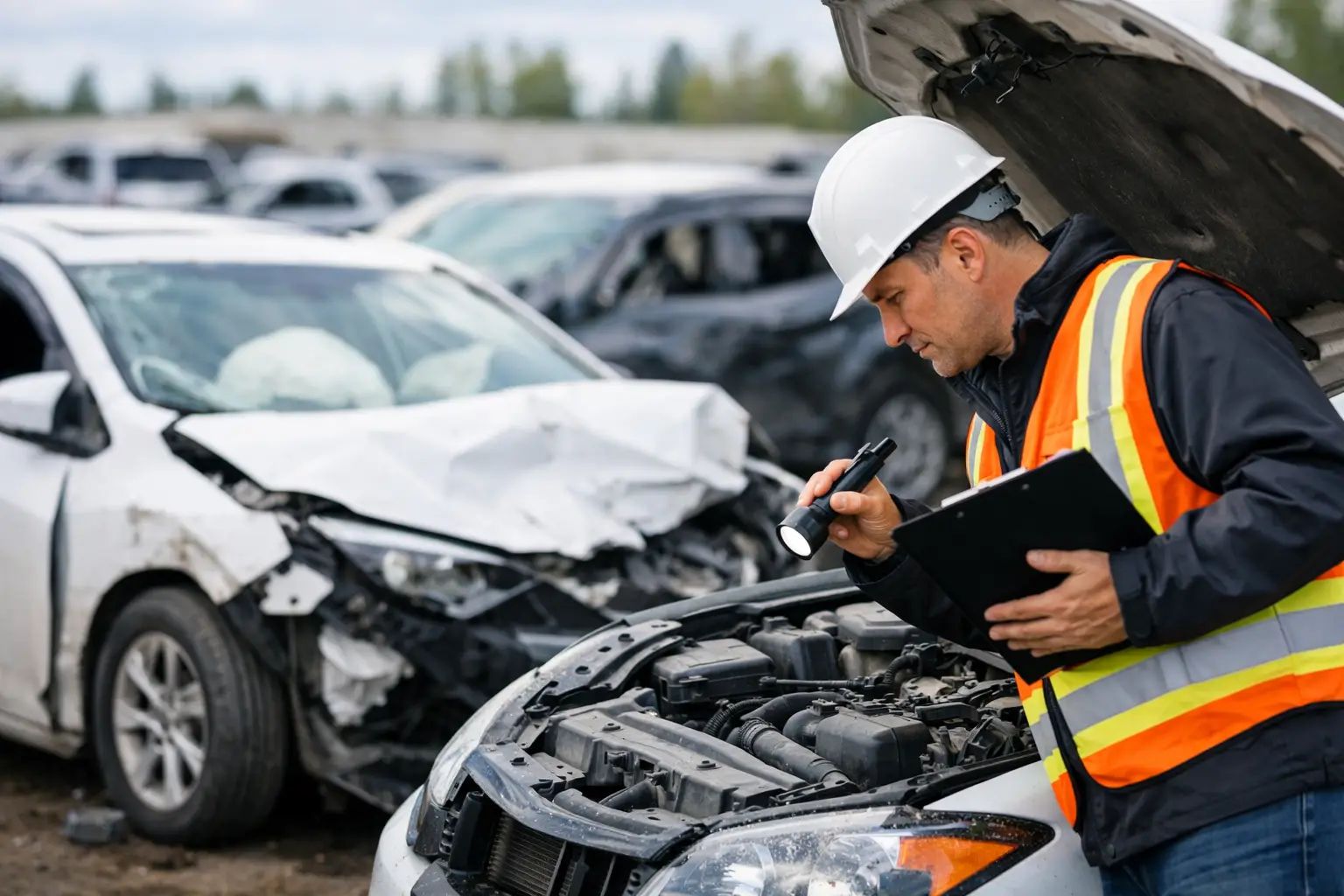
A vehicle with a salvage history can be a smart purchase or a worthwhile repair project, but only if the repairs are completed properly. A salvage vehicle inspection Edmonton drivers book is not simply a quick look under the hood. It is a detailed assessment intended to confirm that a rebuilt vehicle has been repaired safely, that key identifying information is correct, and that the vehicle is ready to move forward in the registration process.
For owners, the stressful part is often not the inspection itself. It is discovering late in the process that a repair is incomplete, a replacement part cannot be traced, or a warning light is still active. Preparing carefully before you book gives you more control over the timeline and helps protect the money you have invested in the vehicle.
Why a Salvage Vehicle Gets Inspected
A vehicle may receive salvage status after an insurance claim involving collision damage, flood damage, theft recovery, or another event that made the insurer decide it was not economical to repair. Salvage status does not automatically mean the vehicle can never be driven again. It does mean the vehicle must meet applicable inspection requirements before it can be returned to the road and registered for regular use.
The purpose is safety and verification. Inspectors look beyond fresh paint and replaced panels to assess whether the repair work addresses structural, mechanical, and safety-related damage. They also need to be able to identify the vehicle and understand where major replacement components came from.
That distinction matters when comparing a salvage inspection with a routine maintenance visit. An oil change, brake service, or general mechanical check can identify everyday needs, but it does not replace the formal salvage inspection process. Likewise, a passed salvage inspection is not a full warranty on every component or a substitute for ongoing maintenance.
What a Salvage Vehicle Inspection in Edmonton May Review
The exact scope depends on the vehicle, its damage history, and current provincial requirements. Still, most salvage inspections focus on whether the repaired vehicle is structurally sound, identifiable, and equipped with functioning safety systems.
Structural and collision repairs
Collision damage can travel farther than the visible impact area. A damaged bumper cover may conceal issues with reinforcement bars, cooling supports, sensors, suspension mounting points, or frame components. Inspectors will look at the quality and completeness of repairs, especially where the vehicle's structure, unibody, frame rails, or suspension attachment points were involved.
Poor panel alignment by itself may be cosmetic, but uneven gaps can also be a clue that underlying repairs need a closer look. Weld quality, corrosion protection, fastener placement, and evidence of improper straightening can all affect whether a repair appears complete and safe.
Steering, suspension, brakes, and tires
A collision that damages a wheel or lower control arm can leave the vehicle pulling, vibrating, or wearing tires unevenly long after body repairs are finished. Inspectors may review steering and suspension components, wheel condition, brake operation, tire condition, and signs that the vehicle has not been properly aligned.
This is where a one-stop repair facility can save time. If an inspection preparation check finds a bent suspension part, damaged wheel, brake concern, or alignment issue, the repair can be addressed without moving the vehicle between separate body, mechanical, tire, and alignment shops.
Lights, glass, restraints, and warning systems
Headlights, taillights, turn signals, reflectors, mirrors, windshield condition, seat belts, and airbags all play a role in road safety. Modern vehicles also rely on sensors, cameras, radar units, and dashboard warning systems. A replacement bumper may look correct while hiding a disconnected sensor or an unresolved warning light.
Do not assume a warning light will be overlooked because the vehicle drives normally. Diagnostic trouble codes, airbag concerns, anti-lock brake warnings, and other active alerts should be investigated and repaired before inspection. Clearing a code without correcting the cause is likely to create another delay.
Vehicle identification and replacement parts
Vehicle identification numbers and identifying labels must be readable and consistent. Inspectors may also need supporting information for major components installed during the rebuild. Receipts and documentation help establish where parts came from and show that the repair process was handled responsibly.
Keep records even when you buy used parts. A legitimate used part can be an economical choice for some repairs, but it should be compatible with the vehicle and supported by clear paperwork. For safety-critical systems, the lowest price is not always the lowest-cost decision if it results in fitment problems, repeat labor, or an inspection failure.
Prepare Before You Book
The best time to think about inspection requirements is before the final paintwork and reassembly, not after the vehicle is declared finished. Take photos throughout the repair, retain invoices, and correct problems while panels and components are still accessible.
Bring the vehicle in for a pre-inspection repair review if you are unsure about its readiness. A qualified technician can identify visible concerns such as loose underbody shields, incomplete lighting repairs, damaged tires, fluid leaks, poor alignment, or warning lights before they turn into a formal inspection issue.
Have these items organized and available when requested:
- Proof of ownership and the applicable vehicle documents
- Repair invoices for labor, paintwork, diagnostics, and mechanical work
- Receipts for major replacement parts and used components
- Photos showing the damage and repair stages when available
- Any prior inspection reports or written notes about required corrections
Paperwork may feel secondary to the repair itself, but it is part of a smooth inspection process. A clean file makes it easier to answer questions about parts, repairs, and vehicle identity without holding up the appointment.
Common Reasons Salvage Vehicles Are Not Ready
Most delays come from details that were left until the end. A vehicle can have attractive paint and a clean interior yet still need significant work before it is ready for inspection. Common examples include active dashboard lights, unfinished airbag repairs, poor wheel alignment, leaking fluids, worn tires, missing underbody components, damaged glass, or repairs that do not adequately address structural damage.
Documentation gaps are another common problem. If the repair involved major components, keep the invoices and receipts together rather than relying on memory or a message thread from a private seller. This is especially valuable for owners rebuilding a vehicle themselves or buying a partially repaired vehicle from another party.
There is also a practical difference between repairing a vehicle to sell and repairing one to keep. A seller may be focused on appearance and cost control, while a long-term owner should consider reliability, corrosion protection, diagnostic calibration, and future serviceability. Either way, safety repairs should never be treated as optional.
Choose Repairs That Support a Safe Return to the Road
A salvage rebuild is rarely just bodywork. The vehicle may need paint, frame or suspension correction, wheel alignment, mechanical repair, diagnostics, windshield replacement, and replacement parts. Coordinating those services matters because one unresolved issue can affect several systems.
For example, a front-end collision may require body repairs, a cooling-system check, suspension work, alignment, headlight aiming, and sensor calibration. Addressing only the visible damage can lead to repeat appointments and more expense later. At DAS Automotives, collision restoration, mechanical repair, diagnostics, tires, alignment, parts, and inspection-related repairs can be handled in one Edmonton facility, helping owners move from damage assessment to a roadworthy vehicle with fewer handoffs.
Cost is always part of the decision. Used parts and repair financing can make a rebuild more manageable, but repairs should still match the vehicle's needs. Ask for a clear explanation of what must be corrected for safety, what supports inspection readiness, and what maintenance should be planned after the vehicle is back on the road.
A salvage vehicle deserves the same careful attention as any vehicle carrying your family, commuting to work, or earning income on the road. Get the repair details handled properly before inspection day, keep your documentation together, and give yourself the best chance to put the vehicle back into service with confidence.